
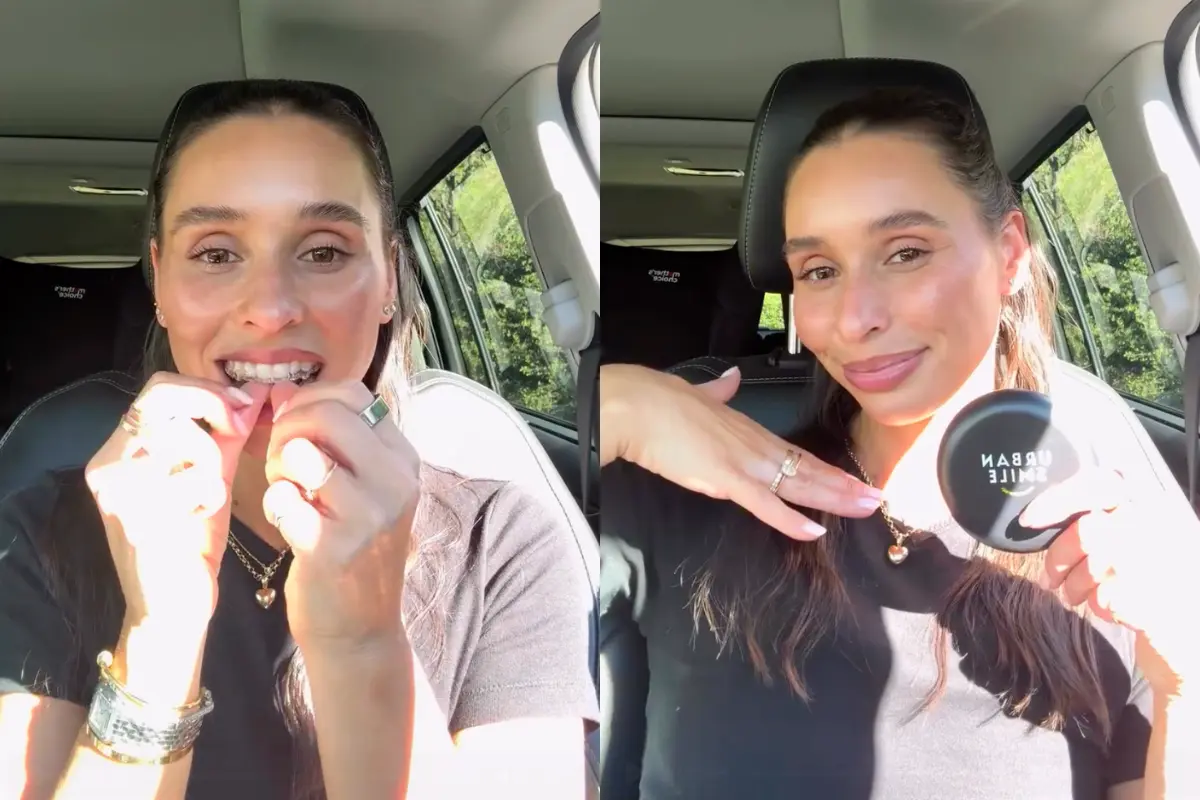
Starting clear aligner treatment is exciting but one of the first things many people notice isn’t their smile changing…it’s their speech.
If you’ve found yourself with a slight lisp after putting in your aligners, you’re not alone. The good news? It’s only for the short term and completely normal.
Why Do Clear Aligners Cause a Lisp?
The clear aligner lisp happens because your tongue is adjusting to something new.
Clear aligners sit over your teeth and slightly change:
- The position of your tongue
- The airflow when you speak
- How your tongue contacts your teeth
Certain sounds like “s”, “sh” and “z” can feel a little different at first. Even a thin aligner can temporarily change how your tongue moves when forming these sounds.
At Urban Smile, we let patients know this is a normal part of the adjustment phase and nothing to worry about.
How Long Does the Lisp Last?
For most people, the lisp is short-lived.
Typically:
- First 1–3 days: Most noticeable
- Within 1–2 weeks: Speech returns to normal
Your tongue is incredibly adaptable, and it quickly learns how to work around the aligners.
Why Some People Notice It More Than Others
Not everyone experiences a lisp to the same degree.
You may notice it more if:
- You use your voice frequently (e.g. meetings, customer-facing roles)
- You’re very aware of your speech
- If you talk really fast
- You’ve just started aligner treatment
The good news is that even if it feels obvious to you, it’s often far less noticeable to others.
How to Adjust Faster
While your speech will naturally improve, there are a few simple ways to speed up the adjustment:
1. Talk More (Seriously)
It might feel counterintuitive, but the more you speak, the faster your tongue adapts.
Reading out loud, having conversations, or even practicing tricky words can help. Many of our patients report that singing in the car helps a lot!
2. Keep Your Aligners In
Removing your aligners to speak may feel easier in the moment but it actually slows down the adjustment process.
Consistent wear helps your mouth adapt quicker.
3. Practice Difficult Sounds
Focus on words with “s”, “sh”, or “z” sounds. Repeating them helps retrain your tongue positioning faster.
4. Stay Hydrated
A dry mouth can make speech feel more awkward. Drinking water helps keep everything moving naturally.
Oral Health Therapist Tip: Carolin’s advice? Turn up your favourite songs and sing along in the car. It might feel funny at first, but it helps your mouth adjust faster.
When Should You Be Concerned?
In most cases, there’s no need to worry.
If your speech hasn’t settled after a couple of weeks, or your aligners still feel bulky or uncomfortable, it’s worth checking in via the Dental Monitoring app. Simply send us a message and our clinicians will review your progress, provide personalised advice, and arrange a fit check if needed.
A slight “lisp” is one of the most common parts of starting clear aligner treatment and it’s almost always temporary. It can feel noticeable at first, but your speech typically returns to normal quickly as you adjust.
In the context of your overall smile journey, it’s a small and short-lived change.
Thinking About Clear Aligners?
If you’re thinking about clear aligners but unsure what the first few weeks feel like, you’re not alone.
At Urban Smile, we guide you through every step so you know what to expect and feel confident from day one.
Book a free consultation to get your questions answered and see what’s possible for your smile.